 Deutsch
Address:Kathmandu, Nepal

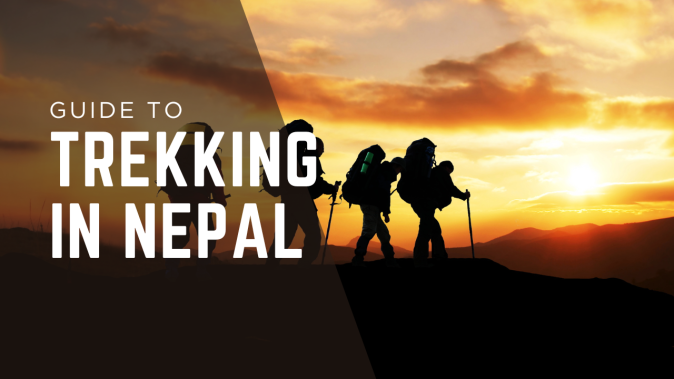
Nepal, the land of the Himalayas, offers some of the world’s most breathtaking trekking experiences. From the majestic peaks of Everest to the serene trails of Annapurna and Langtang, trekking in Nepal is an adventure of a lifetime. At Via Nepal Travel & Tours, we help you plan your trek so that you can enjoy every step safely and comfortably. Here’s a complete guide to help you prepare.
Choosing the right season for your trek is important to enjoy clear views, safe trails, and comfortable weather.
Autumn (September – November): Clear skies and stunning mountain views make this the most popular trekking season. Trails are lively, and festivals in villages add a cultural touch.
Spring (March – May): Blooming rhododendrons and moderate temperatures make spring ideal for trekking. This season is perfect for photography lovers.
Winter (December – February): Trails are quieter and peaceful. Snow-capped peaks create a magical experience, but high-altitude treks can be very cold.
Monsoon (June – August): Heavy rain and slippery trails make trekking difficult. Lower regions like Ghorepani can still be explored, but most treks are best avoided.
All trekkers must carry the necessary permits. These help protect the environment and local communities.
TIMS Card (Trekkers’ Information Management System): Required for all trekkers. Can be obtained individually or as part of a group.
National Park/Conservation Area Permits: Different trekking regions require different permits:
Everest Region: Sagarmatha National Park Entry Permit
Annapurna Region: Annapurna Conservation Area Permit (ACAP)
Langtang Region: Langtang National Park Permit
Your permits and passport may be checked along the trails, so always carry them.
Packing the right gear is essential for safety and enjoyment.
Layered clothing: base layers, fleece or down jacket, waterproof jacket
Quick-dry shirts and trekking pants
Hat, gloves, and warm socks for high-altitude treks
Comfortable trekking boots with good ankle support
Extra socks to prevent blisters
Backpack (30–60L depending on trek length)
Trekking poles for stability
Sunglasses, sunscreen, and lip balm with SPF
Personal first aid kit
Water purification tablets or bottle with filter
Basic medications, including altitude sickness tablets if needed
Power bank or solar charger
Camera or smartphone
Lightweight travel towel and toiletries
At Via Nepal Travel & Tours, we make sure your trekking experience in Nepal is safe, enjoyable, and memorable. From arranging permits to providing expert guides and packing tips, we are with you every step of the way.


